Artificial Intelligence (AI) and autonomous systems are among the most transformative technologies of the 21st century. What began as experimental research has rapidly evolved into practical tools that are reshaping industries, economies, and daily life.
What Are AI and Autonomous Systems?
Artificial Intelligence (AI) refers to computer systems that can perform tasks typically requiring human intelligence — like understanding language, recognizing images, and making decisions.
Autonomous systems are machines or software that can operate independently with minimal human oversight. When combined with AI, these systems can perceive their environment, interpret data, make decisions, and take actions on their own — ushering in a new era of intelligent automation. �
ijai4s.org
Why They Matter Now
In 2025, AI and autonomous systems are no longer futuristic abstractions — they are integral parts of business strategies and daily life:
Enterprise integration: AI agents are being deployed to handle complex business processes, from scheduling meetings to automating workflows. �
Pluralsight
Growth in autonomous decision-making: Gartner and other research bodies identify agentic AI — AI capable of reasoning and executing multi-step tasks without direct human input — as a top trend for 2025. �
Inc. Arabia English – en.incarabia.com
Wider AI adoption: Surveys show many organizations expect to adopt autonomous AI systems within months, highlighting rapid industry shifts. �
LinkedIn
Major Applications of AI-Driven Autonomy
- Autonomous Vehicles and Robotaxis
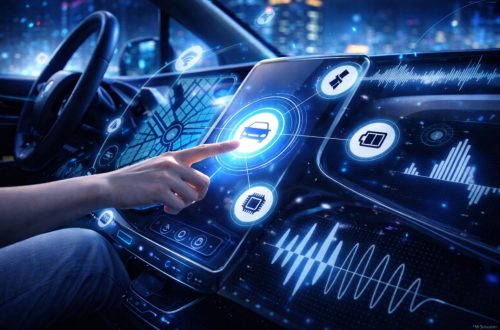
One of the most visible applications is autonomous transport:
Robotaxis — driverless ride-hailing vehicles — are expanding from pilot cities in the U.S. to trials in Europe, involving companies like Uber, Lyft, and Baidu. �
Reuters +1
AI systems process sensor data in real time to perceive roads, predict traffic behaviour, and make safety-critical choices. �
jmlai.in
Autonomous vehicles promise safer, cleaner, and more efficient transport — though challenges like regulation and public trust remain. - Intelligent Agents in Software and Business
AI agents now go beyond simple assistants:
They can plan, coordinate, and execute tasks autonomously, integrating with enterprise tools and workflows. �
Pluralsight
Hybrid human-AI work models are emerging, where agents boost productivity and reduce routine workload. �
Pluralsight - Robotics and Physical Autonomy
AI-enabled robots are transforming sectors like manufacturing, logistics, and healthcare. These robots can:
Perceive environments and adapt on the fly
Collaborate safely with humans (e.g., cobots)
Reduce human workload in repetitive or dangerous tasks �
electronics360.globalspec.com
Autonomy here isn’t just automation — it’s adaptive behaviour based on real-time feedback.
Technical Foundations Behind Autonomous Systems
Key AI technologies underpinning autonomy include:
Machine Learning (ML) — especially deep learning models that interpret sensory inputs. �
prjcs.com
Reinforcement learning, enabling systems to learn from interaction with the environment. �
prjcs.com
Edge computing, which processes data locally on devices for faster response times. �
electronics360.globalspec.com
Together, these technologies allow systems not just to respond but to adapt and improve over time.
Challenges and Ethical Considerations
As autonomy grows, so do the stakes:
Safety and Trust
Ensuring AI systems behave predictably — especially in physical environments like roads and factories — is a central concern. �
Wikipedia
Ethics and Governance
Global efforts are underway to govern AI development responsibly, including international safety reports and emerging treaties for AI rights and oversight. �
Wikipedia +1
Human-AI Balance
While autonomous systems can boost efficiency, there are questions around job impacts, accountability when systems fail, and maintaining meaningful human oversight. Responsible frameworks are needed to balance innovation with societal well-being.
Looking Ahead: The Future of Autonomy
The trend toward autonomous AI systems isn’t slowing:
Markets for agentic AI are growing rapidly and projected to expand significantly over the next decade. �
Precedence Research
AI autonomy will increasingly show up in everyday tools, from personal digital assistants to industrial systems. �
LinkedIn
This trajectory suggests that autonomous AI won’t just augment human work — in many cases, it will transform the very nature of how work, mobility, and decision-making happen in society.
Conclusion
AI and autonomous systems are at the forefront of technological change in 2025 and beyond. By combining perception, learning, and decision-making, these systems unlock new levels of efficiency and capability. But they also raise important questions about safety, ethics, and how we govern powerful autonomous technologies.