
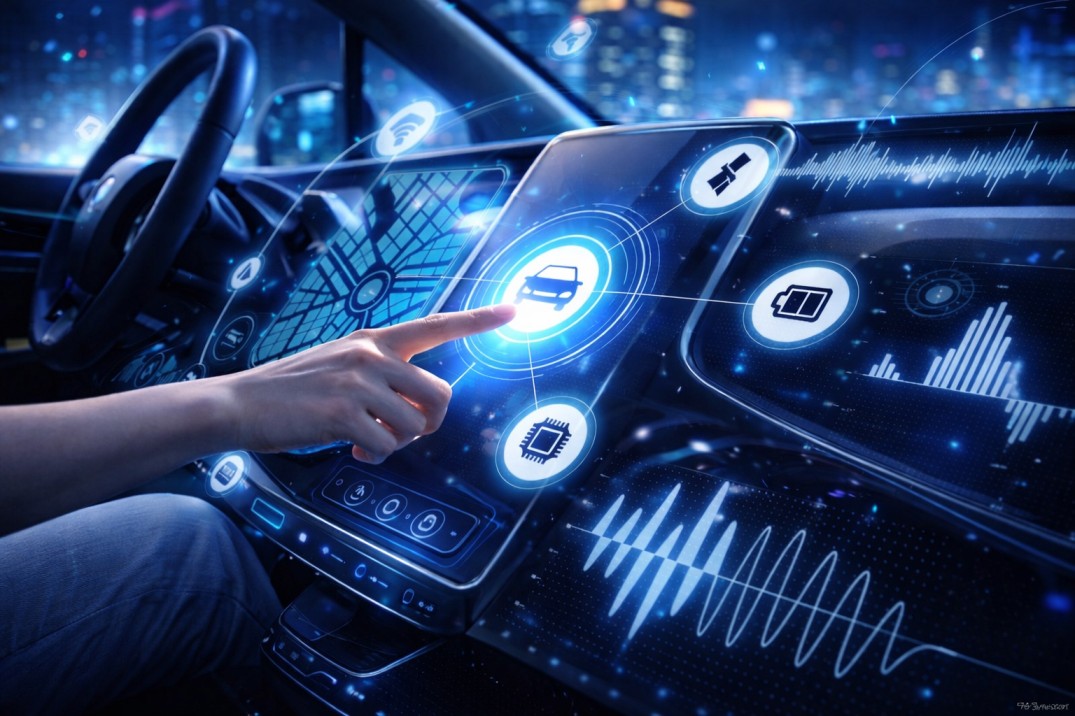
The automobile has evolved far beyond a simple machine for transportation. Modern cars are now rolling computers, powered by software, artificial intelligence, sensors, and advanced connectivity. From electric drivetrains to self-driving features, new automotive technology is reshaping how we drive, how we stay safe, and how vehicles interact with the world around them. This transformation is not just about comfort or speed—it represents a fundamental shift toward smarter, cleaner, and more connected mobility.
- Electrification: The Rise of Electric and Hybrid Vehicles
One of the most significant technological shifts in modern cars is electrification. Electric vehicles (EVs) and hybrid cars are rapidly replacing traditional internal combustion engine (ICE) vehicles.
Key innovations in electrification include:
Advanced lithium-ion and solid-state batteries with higher energy density and faster charging
Regenerative braking systems that convert braking energy into stored electricity
High-efficiency electric motors that deliver instant torque and smoother acceleration
Modern EVs can now travel over 500 kilometers on a single charge, while fast-charging technology allows drivers to recharge up to 80% in under 30 minutes. These improvements are helping reduce carbon emissions and fuel dependency, making electric cars a practical option for everyday use. - Autonomous Driving and Driver Assistance Systems
Self-driving technology is no longer science fiction. While fully autonomous cars are still in development, modern vehicles already feature advanced driver assistance systems (ADAS) that significantly enhance safety.
Popular ADAS technologies include:
Adaptive cruise control
Lane-keeping assistance
Automatic emergency braking
Blind-spot monitoring
Traffic sign recognition
These systems rely on cameras, radar, lidar, and ultrasonic sensors, combined with AI-powered software. Together, they help reduce accidents caused by human error, which accounts for the majority of road incidents worldwide. - Artificial Intelligence and Smart Software
Artificial intelligence plays a central role in modern car technology. Vehicles now use AI to learn driver behavior, optimize performance, and improve safety.
AI-powered features include:
Smart navigation systems that adapt to traffic patterns
Voice assistants that understand natural language
Predictive maintenance alerts
Personalized driving modes and cabin settings
Over-the-air (OTA) software updates allow manufacturers to improve vehicle features remotely, similar to smartphone updates. This means cars can gain new functions months or even years after purchase. - Connectivity and the Internet of Vehicles (IoV)
Modern cars are becoming fully connected devices. Through cellular networks and cloud platforms, vehicles can communicate with other cars, infrastructure, and external services.
Connected car technologies include:
Real-time traffic and weather updates
Vehicle-to-vehicle (V2V) communication
Vehicle-to-infrastructure (V2I) communication
Remote vehicle control via smartphone apps
This connectivity improves road safety, reduces congestion, and enhances convenience. Drivers can now lock doors, start engines, track vehicles, or check diagnostics from their mobile phones. - Advanced Infotainment and Digital Cockpits
The traditional dashboard has been replaced by digital displays and immersive infotainment systems.
Modern infotainment features include:
Large touchscreen interfaces
Fully digital instrument clusters
Augmented reality (AR) head-up displays
Seamless smartphone integration (Apple CarPlay, Android Auto)
Voice and gesture controls reduce distractions, allowing drivers to interact with their vehicles more naturally. High-end systems now offer streaming services, navigation with 3D mapping, and real-time vehicle data visualization. - Safety Innovations and Smart Materials
Safety technology has advanced dramatically in modern cars. Beyond airbags and seatbelts, new materials and smart systems protect occupants and pedestrians.
Innovations include:
Advanced crash-avoidance systems
Pedestrian detection with automatic braking
Night vision systems using infrared cameras
High-strength steel and carbon fiber structures
Some vehicles now feature external airbags and energy-absorbing body designs to reduce injury during collisions. - Sustainability and Eco-Friendly Manufacturing
Car technology is also changing how vehicles are built. Manufacturers are adopting sustainable production methods and eco-friendly materials.
Sustainable innovations include:
Recycled plastics and bio-based materials
Water-saving manufacturing processes
Solar-integrated vehicle components
Reduced lifecycle emissions
These technologies help lower the environmental impact of car production and ownership. - Future Technologies Shaping the Automotive Industry
Looking ahead, several emerging technologies promise to further revolutionize cars:
Fully autonomous driving (Level 5)
Hydrogen fuel cell vehicles
Vehicle-to-grid (V2G) energy systems
AI-driven traffic ecosystems
Subscription-based car features
As cities become smarter, cars will increasingly integrate with urban infrastructure, creating a seamless mobility ecosystem.
Conclusion
New technology in modern cars is transforming transportation at every level. Vehicles are becoming safer, smarter, more efficient, and more environmentally friendly. The integration of electric power, artificial intelligence, connectivity, and automation is not just improving driving—it is redefining what a car is.
As innovation continues, modern cars will no longer be viewed simply as machines, but as intelligent mobility platforms designed to adapt, learn, and evolve alongside human needs. The future of driving is not just approaching—it has already arrived.